Face Recognition
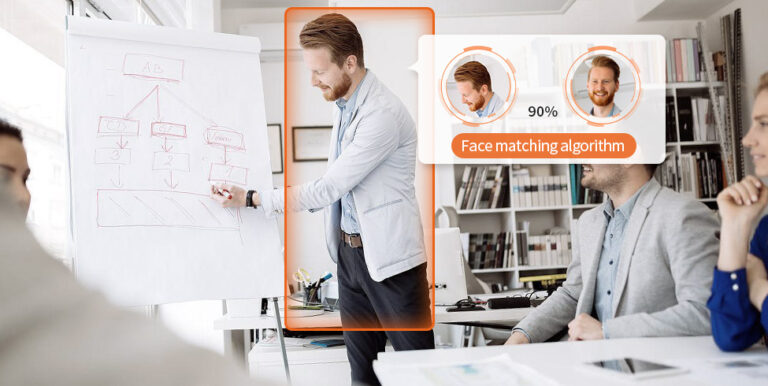
Detect and compare faces against a library for access control, attendance and VIP alerts.
Over 40 production-ready video analysis algorithms across people, vehicles, workplace safety, objects and scene-specific domains. Combine any of them on a single XCAN AI Box.
15 algorithms in this domain
Detect and compare faces against a library for access control, attendance and VIP alerts.
Gender, age band, glasses and mask attributes captured with every detection.
Trigger an alarm the moment an unknown or blacklisted person appears.
Recognise people from clothing and body features when the face is not visible.
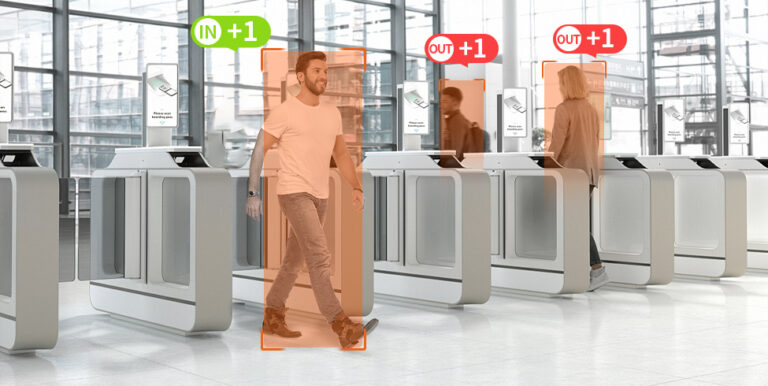
Bi-directional in/out counting per rule line with hourly granularity.
Estimate how many people occupy a zone and warn before it becomes unsafe.
Flag anyone dwelling in a zone longer than a defined threshold.
Alarm when a person enters a restricted area or crosses a virtual fence.
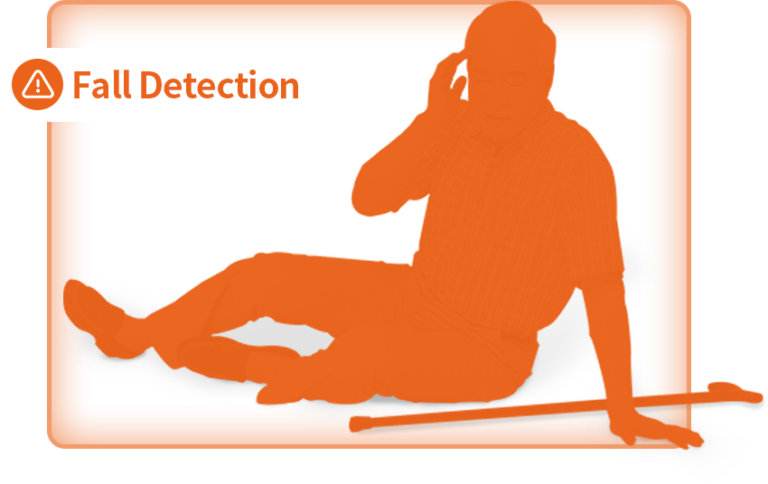
Detect a person falling and push an immediate alert for rapid response.
Recognise aggressive movement patterns and notify security in real time.
Alert when a guard or operator leaves the workstation during shift hours.
Detect personnel sleeping at a post and raise a supervision event.
Identify staff using a phone where it is prohibited (driving, operation, kitchen).
Detect smoking in prohibited areas such as workshops, warehouses and petrol stations.
Verify staff are wearing the required uniform, hat or badge.
8 algorithms in this domain
Read blue, yellow, green and international plate formats in real time.
Count vehicles by type - car, van, truck, bus, motorcycle.
Open a barrier for authorised vehicles or alarm on a blacklist match.
Detect vehicles stopped in a no-parking zone beyond a time limit.
Alarm on vehicles travelling against the designated direction.
Report the real-time occupied / free status of each marked space.
Detect e-bikes and bicycles entering areas reserved for pedestrians.
Estimate queue length and congestion level on a road section.
8 algorithms in this domain
Confirm helmets are worn in the work zone and alarm on violations.
Verify high-visibility clothing for night and roadside works.
Detect whether workers at height are wearing a full-body harness.
Check mask compliance in kitchens, factories and clinical areas.
Verify gloves and hairnets in food and hygiene-controlled zones.
Detect flame and smoke on video, complementing physical detectors.
Keep people out of high-voltage, high-temperature or moving-machinery zones.
Verify guards and covers are in place on operating equipment.
8 algorithms in this domain
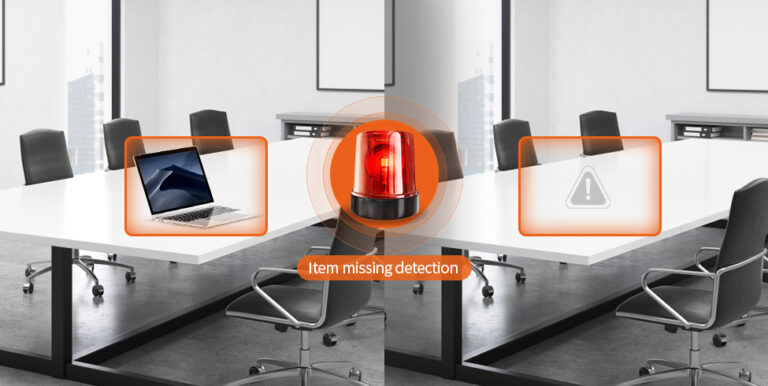
Detect when a protected item has been removed from its place.
Flag bags or packages left unattended beyond a time threshold.
Alert when bins overflow or waste is dumped outside collection points.
Catch people dumping waste or construction debris illegally.
Detect spills and wet floors in restaurants, malls and factories.
Warn when emergency exits or escape routes are obstructed.
Verify fire-fighting equipment remains in its designated place.
Monitor stock on shelves or material stacks for shortages.
8 algorithms in this domain
Kitchen-specific check for uniform, hats and bare-hand handling of food.
Detect rodent activity in kitchens, stores and food plants.
Detect a lit stove with nobody present in the cooking area.
Flag reused or overheated cooking oil where regulations require disposal.
Detect a swimmer in distress in a pool or a person entering a dangerous water zone.
Warn when people approach or cross a water-safety line.
Count animals and detect abnormal movement in a pen or barn.
Detect early smoke plumes for forest and grassland fire prevention.
Four of the algorithms customers ask about most, taken from the product documentation.
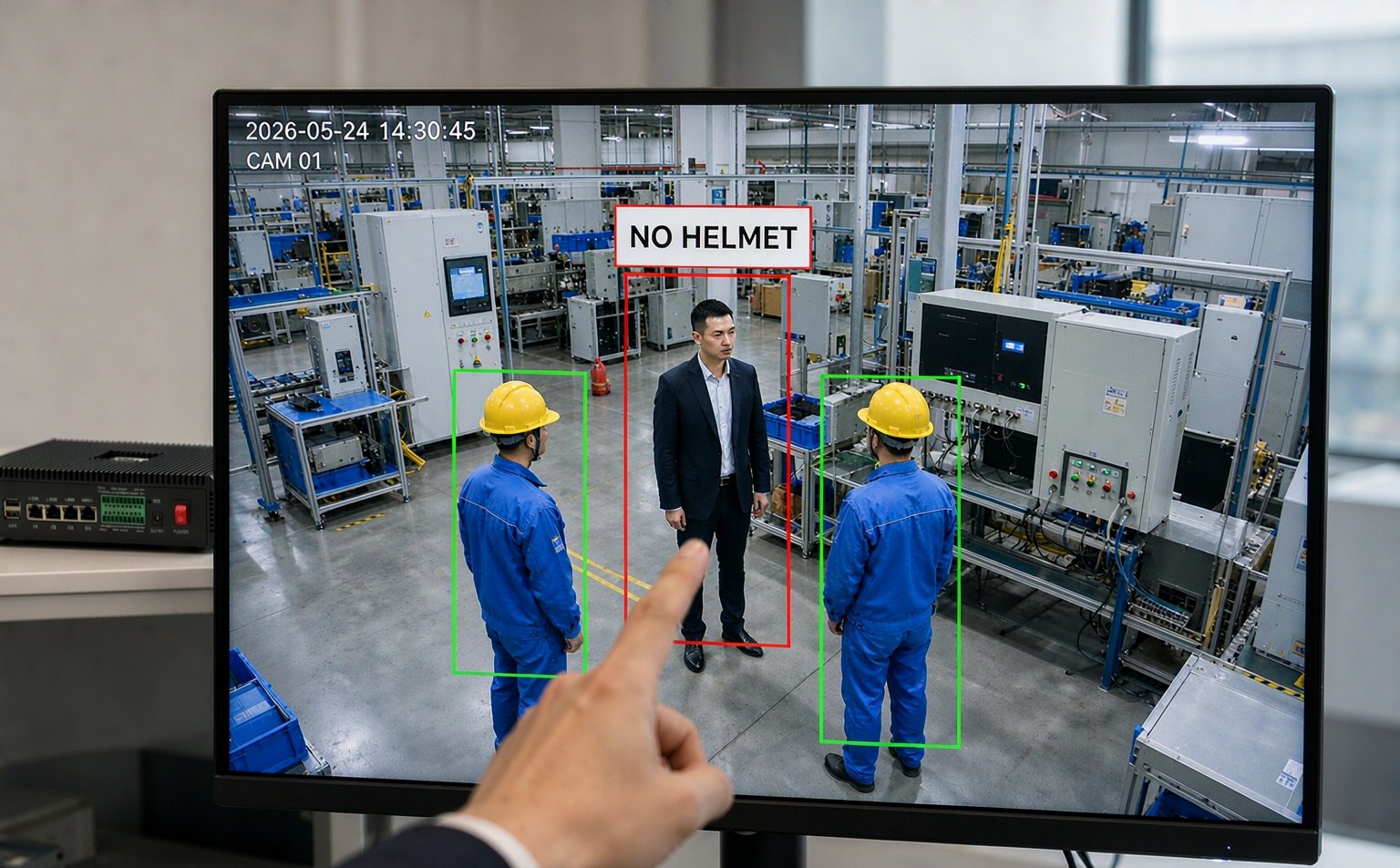
Flexibility is the point - the same box can serve very different rooms.
Each camera channel runs its own algorithm profile. A gate camera might run face recognition and LPR; the same box can run helmet detection on a construction camera and pest detection in the kitchen.
Sensitivity, detection zones, schedules and alarm rules are configured per algorithm, so daytime and night-time behaviour can differ. Detection regions are drawn directly on the live view.
Alarms can trigger relay outputs, audio warnings, emails, app notifications, or an HTTP push to a third-party platform through the Open API.
Need something that is not in the library? Our algorithm team trains custom models from your own footage - typical lead time is two to six weeks depending on complexity.
When the standard library is not enough.
You provide representative video from the real scene, covering normal and abnormal cases.
Our team labels the data and trains a model optimised for your hardware.
Accuracy is measured against a held-out set from your own site, not a public dataset.
The model is packaged and pushed to your boxes over the air, with version management.
Send us a sample clip of what you want to detect. We will tell you whether it can be done, how accurately, and how long it will take.